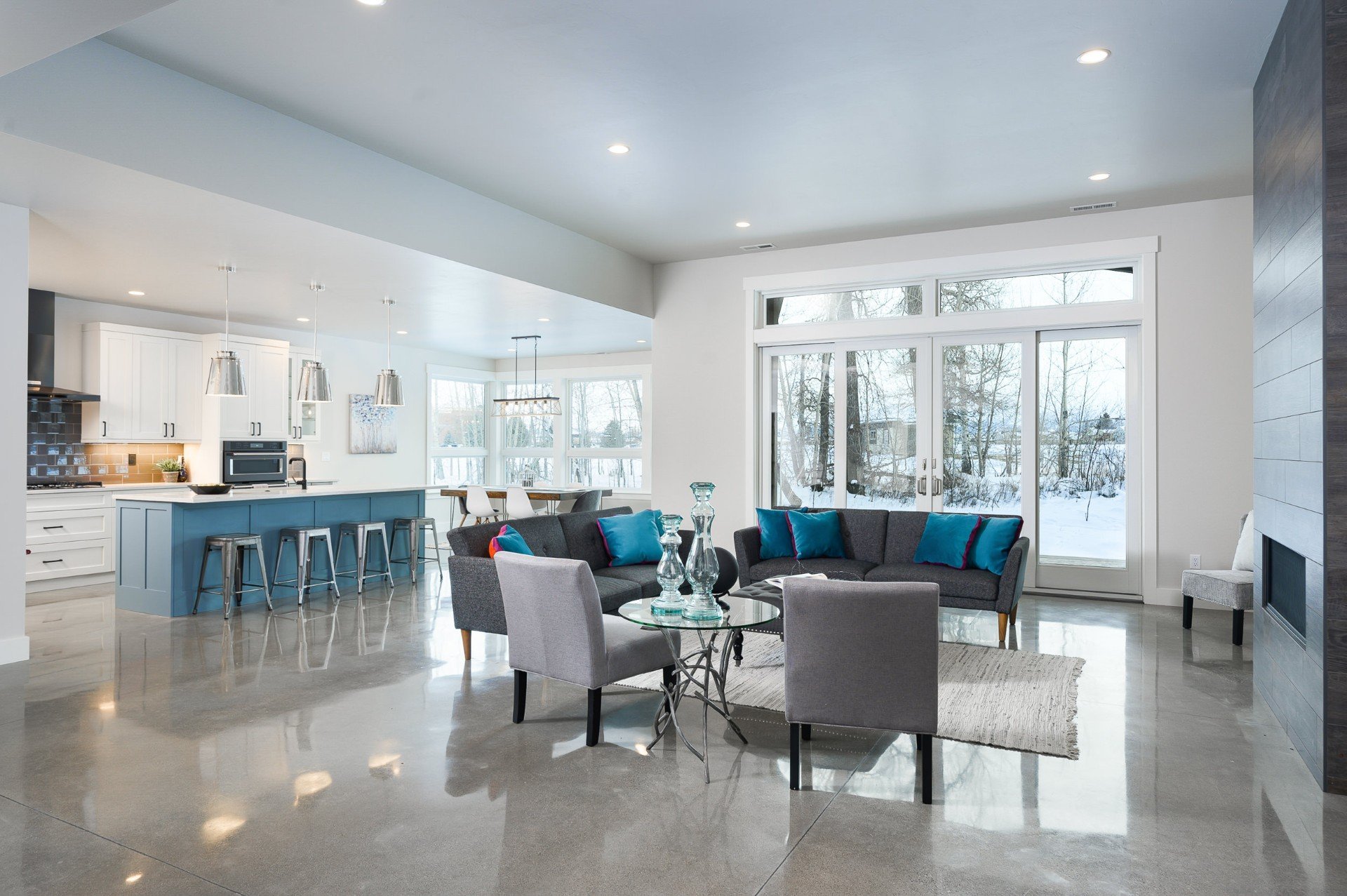
Walk into a well-designed Montana home, and you’ll likely notice the woodwork. It might be a beautifully finished fireplace mantel, cabinetry that fits perfectly into a kitchen, or exposed beams that add warmth to a great room.
In Bozeman and throughout the Gallatin Valley, wood is a natural fit for many architectural styles. It can give a mountain home its rustic character or bring warmth to a clean, contemporary design. With custom woodwork, homeowners can also create features that serve their specific needs.
At ST Custom Homes, custom cabinetry, millwork, and unique wood accents are part of our commitment to craftsmanship. We believe the best woodwork should look like it belongs in the home while making everyday life a little easier.
Where Does Custom Woodwork Make the Biggest Difference?
Some of the most useful applications of custom woodwork are found in places where standard products don’t quite fit the space or the homeowner’s needs.
Built-in shelving and cabinetry can turn an awkward wall or unused corner into attractive, practical storage. A home office might benefit from floor-to-ceiling bookshelves, while a living room could feature built-in cabinets around the fireplace.
Fireplace mantels and surrounds offer another opportunity for customization. In a Montana great room, the fireplace often becomes a focal point. A carefully proportioned mantel or wood surround can complement the room’s architecture without swamping it.
Mudroom storage is particularly useful in the Gallatin Valley. Between ski boots, winter coats, backpacks, and outdoor equipment, entryways may become cluttered quickly. Custom benches, cubbies, and cabinets can give everything a designated place while making the most of the available space.
Other possibilities include window seats, decorative ceiling beams, stair details, and wood paneling. The best choice depends on the room and what you want it to accomplish.
How Can Woodwork Complement Montana Home Design?
Montana homes don’t all have to look like traditional log cabins. Some homeowners love the character of heavy timbers and prominent wood grain. Others prefer a contemporary design with simple lines and carefully placed natural accents.
Custom woodwork can suit either approach.
In a mountain-style home, exposed beams, substantial mantels, and richly finished cabinetry reinforce a warm, traditional atmosphere. In a modern Bozeman home, lighter wood tones, flat-panel cabinetry, and restrained millwork can add texture without making the interior feel busy.
The wood species, grain, finish, and proportions all affect the result.
It’s also worth thinking about how woodwork will relate to the other materials in the home. Stone fireplaces, metal railings, tile, and painted surfaces can all complement natural wood when you select materials together.
We encourage homeowners to consider the overall design before choosing individual features. A dramatic wood ceiling might be beautiful, but it should work with the room’s size, lighting, and other finishes.
When Is Custom Woodwork Worth the Investment?
Custom woodwork is especially valuable when you need something designed for a specific space or purpose.
Consider a kitchen with an unusual layout. Standard cabinets may leave gaps or demand filler pieces to accommodate the room’s dimensions. Custom cabinetry offers more flexibility in cabinet sizes, storage arrangements, and the finished appearance.
The same applies to built-ins. A wall of shelving designed around your books, artwork, television, and storage needs can use the available space better than a collection of separate furniture pieces.
Of course, custom fabrication isn’t necessary everywhere. Standard cabinetry and trim can work beautifully in many rooms. We believe it’s worth considering custom woodwork where it solves a specific problem, improves functionality, or contributes something significant to the design.
Material selection matters, too. The Architectural Woodwork Institute’s standards for wood materials explain that factors such as hardness, stability, intended use, and cost should influence material choices. Different wood products have different characteristics, and choosing the appropriate material is part of creating woodwork that performs well over time
Why Should You Plan Custom Woodwork Early?
Some woodwork decisions are easy to make during the finishing stages. Others should be considered while the home is still being designed.
For example, built-in cabinetry may require electrical outlets, lighting, or wall support in specific locations. Decorative ceiling beams can affect lighting placement and other architectural details. A large fireplace surround needs to be coordinated with the fireplace design and surrounding materials.
Planning these features early gives everyone involved a clearer picture of how the finished space should come together.
It’s also helpful to consider the relationship between woodwork and Montana’s indoor climate. Heated homes can become quite dry during winter, and wood naturally responds to changes in moisture. Proper material selection, fabrication, installation, and indoor humidity management all affect how woodwork performs.
These are details worth discussing before installation, not after the home is finished.
Bring Your Montana Home’s Details Together
Custom woodwork can add character to a home, improve storage, and make difficult spaces more useful. When thoughtfully incorporated into the design, it becomes a natural part of the architecture.
At ST Custom Homes, we appreciate the impact of careful craftsmanship. Whether you’re interested in custom cabinetry, distinctive millwork, or wood accents that complement your home’s design, we can help you explore options that fit your vision.
If you’re planning a custom home in Bozeman or the Gallatin Valley, explore our custom woodwork services and consider where individualized details could make the biggest difference.
When you’re ready to discuss your project, contact ST Custom Homes. We’d be happy to hear what you have in mind.